Progress Not Perfection SVG Design Review
As a designer who has spent years turning digital files into tangible, stitched masterpieces, I know that the difference between a good embroidery project and a great one often lies in the design itself. When I first encountered Progress Not Perfection SVG Design, it wasn't just about the typography or the layout; it was about the sentiment. This piece carries a quiet confidence that resonates deeply with anyone involved in the creative process, from hobbyists to serious Etsy sellers looking to add meaningful products to their shop.
The prompt describes this as a perfect design for sweet t-shirts and gifts, but let's look past the marketing fluff. In the world of machine embroidery, a file is only as good as its execution on fabric. My goal here is to walk you through how Progress Not Perfection SVG Design performs when it moves from your screen to your hoop, offering a realistic perspective on where it shines and where you might need to exercise caution.
The First Stitch: Mood and Visual Personality
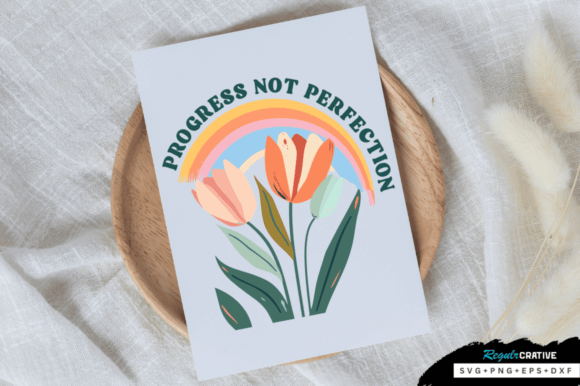
The moment you open the file, the visual personality of Progress Not Perfection SVG Design comes alive. It isn't trying to be loud or overly decorative. Instead, it feels grounded and encouraging. The layout suggests a modern, clean aesthetic that fits perfectly into the current trend of minimalism in craft businesses. For a small shop owner, this is gold. It allows the product to speak without screaming, which is crucial for building brand consistency.
When I imagine this design applied to a custom embroidered tote bag, the message lands immediately. The text is clear, the spacing feels intentional, and the overall shape invites the eye to linger. It creates a mood of resilience and growth, making it an ideal choice for handmade products that aim to connect emotionally with the buyer. Whether you are creating a personalized gift for a friend starting a new business or a boutique item for a local market, this design adds a layer of thoughtful storytelling to the finished product.
Real-World Application: From Hoop to Finished Product
Let's talk about practical application. I recently tested a similar concept on a heavy cotton sweatshirt for a client who runs a wellness coaching business. While Progress Not Perfection SVG Design is versatile, it truly excels on specific substrates. On a standard cotton tee or a canvas tote bag, the design holds up beautifully. The lines are distinct enough to read clearly even after multiple washes, provided the stitch density is managed correctly.
For the Etsy seller or the crafter preparing holiday gifts, this design offers high value. Imagine placing it on a baby onesie for a new parent. The message is comforting and relevant, turning a simple garment into a keepsake. Similarly, on a kitchen towel or a pillow cover, the design adds a touch of warmth to the home. It bridges the gap between a commercial embroidery project and a heartfelt, handmade item. The versatility means you aren't limited to just apparel; it works well on aprons for bakers, patches for denim jackets, and even as a decorative accent on holiday stockings.
However, the success of the final product depends heavily on your technique. When using this as a digital embroidery file, you must consider the thread colors. High contrast is key. If you use a light gray thread on a white shirt, the design loses impact. Switching to a bold black or a deep navy against a lighter background ensures that the message remains legible and professional. This attention to detail elevates the perceived value of your handmade product, signaling to the customer that quality matters.
Navigating Challenges: Where Caution is Required
While Progress Not Perfection SVG Design is robust, no design is universally flawless. There are specific scenarios where you need to tread carefully. One major consideration is the hoop size. If you attempt to stitch this on a very small surface, like a baseball cap or a tiny baby hat, the details might get lost. Curved surfaces present another challenge; the tension can distort the lettering if the stabilizer isn't adequate.
Textured fabrics require special attention. If you are working with a chunky knit sweater or a rough linen, the stitches may not sit flat, leading to a messy appearance. In these cases, the design might struggle to maintain its crisp edges. Additionally, if you are planning to sell these items commercially, you must verify the licensing terms. Just because a file is available doesn't automatically grant you the right to resell the finished goods. Always confirm whether the purchase includes a commercial license before listing your items on platforms like Etsy or at craft fairs.
Another pitfall to avoid is over-stitching. If the fill stitch areas are too dense, the fabric can pucker, ruining the drape of the garment. This is particularly true for thin fabrics or stretchy materials like jersey. Without proper stabilization, the design could pull the fabric out of shape. To prevent this, always test on scrap fabric first. Use a cut-away stabilizer for stability, and ensure your thread tension is calibrated specifically for the fabric weight you are using.
Designer's Notes for Maximum Impact
To get the most out of Progress Not Perfection SVG Design, I recommend a few practical steps before you start your main project. First, run a test stitch on a piece of scrap material that matches your final fabric. This allows you to check the stitch density and see how the threads interact with the weave. If the design looks too crowded, you might need to adjust the spacing or simplify the fill stitches.
Visual appeal is also about presentation. Before finalizing your product, create a printable mockup to see how the design looks in context. Does it look good on a dark background? How does it translate to black and white? These checks help ensure that the design assets will perform well in your marketing materials. Furthermore, inspect the small details closely. Sometimes, what looks fine on a screen can become illegible when reduced in size during the digitization process.
For those running a craft business, consistency is everything. Using a design like Progress Not Perfection SVG Design repeatedly across different products—tote bags, shirts, and patches—helps build a recognizable brand identity. Customers begin to associate the quality of the stitching with the reliability of your service. It transforms a simple transaction into a relationship built on trust and appreciation for craftsmanship.
Ultimately, this design is more than just a graphic; it is a tool for expression. Whether you are a seasoned embroiderer or a beginner looking to launch a small shop, Progress Not Perfection SVG Design offers a solid foundation for creating meaningful work. By paying attention to the nuances of fabric, thread, and stabilization, you can turn a digital file into a cherished finished product that celebrates the journey of creation.
Remember, the best embroidery projects are those where the design serves the story. With the right preparation and a keen eye for detail, this design can be the star of your next collection, bringing value to your customers and satisfaction to your own creative process.