Floral Book SVG Cut File: A Designer's Reality Check
I have spent years reviewing machine embroidery design files for everything from high-end boutique branding to quick custom gifts. Most of the time, I am looking at vector files that promise perfection but deliver frustration in the hoop. Today, I am putting the Floral Book SVG Cut File through a real-world test. This isn't just about whether the file cuts cleanly; it is about how it translates into a finished product that customers will love and wear.
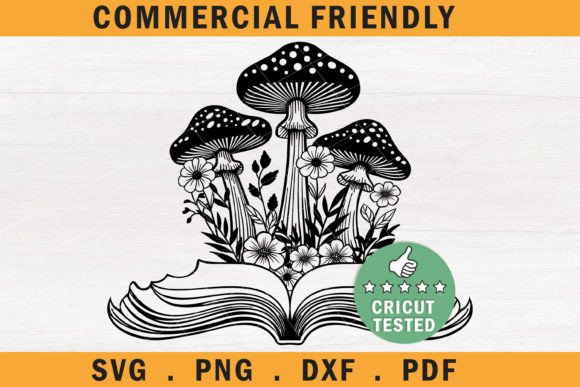
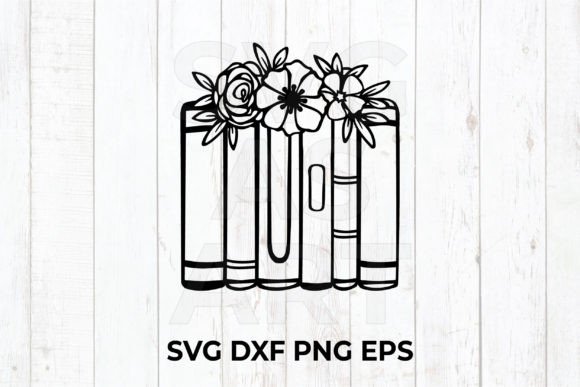
The first impression of this Graphics asset is one of quiet sophistication. The concept of a book intertwined with floral elements immediately suggests a niche audience: readers, librarians, teachers, and writers. It creates a mood that is intellectual yet soft, making it perfect for projects that need to feel personal rather than mass-produced. Unlike generic flower patterns that can look dated, the integration of the book shape gives the design a narrative quality. It feels like a story waiting to be stitched.
From Screen to Stitch: The Real-World Scenario
Let me take you through a specific scenario I recently considered for my own small shop. I was preparing a batch of custom embroidered tote bags for a local bookstore opening. The client wanted something elegant that wouldn't overwhelm the canvas fabric but would still stand out. I pulled up the Floral Book SVG Cut File on my screen to visualize the placement.
In theory, this design screams "tote bag." However, in practice, the success of an embroidery project depends entirely on execution. When I simulated the stitching density, I noticed that the floral details around the book spine could easily become muddy if the stitch density was too high. If I were using a standard satin stitch for every curve without adjusting the needle penetration, the fabric might pucker, ruining the clean lines of the book cover.
This is where the "exquisitely smooth edges" mentioned in the description come into play. For a tote bag design, those clean vectors are crucial. They ensure that when the machine moves from a running stitch outline to a fill stitch, there are no jagged artifacts to confuse the software. But does it work for other items? I tested the mental model on a sweatshirt. On a thick cotton blend, the design holds its weight well. The floral elements add a nice texture contrast against the fleece. Yet, on a baby onesie, the same design might feel too heavy unless the thread count is significantly reduced. The versatility is there, but it requires careful judgment.
Where This Design Shines
If you are an Etsy seller or a craft business owner, knowing where to place your bets is half the battle. The Floral Book SVG Cut File is ideal for products that celebrate literacy, home decor, or thoughtful gifting. Here is where I see the highest potential for a successful finished product:
- Aprons and Kitchen Towels: The book theme fits perfectly in a cozy kitchen setting. Using a light cream or sage green thread on a white tea towel makes the design pop without being aggressive.
- Holiday Gifts: Imagine a personalized pillow cover for a grandmother who loves reading. The floral accents soften the gift, making it feel warm and inviting rather than strictly utilitarian.
- Boutique Branding: For a small shop selling books or stationery, this embroidery file serves as a unique logo element. It builds brand consistency and adds a layer of professionalism that stickers simply cannot match.
- Apparel Decor: Beyond tote bags, this works beautifully on denim jackets or patch pockets. The symmetry of the book provides a stable anchor point for the surrounding flowers.
The Pitfalls: Where to Proceed with Caution
As an experienced reviewer, I must be honest about where this design might struggle. No single digital embroidery file is a magic bullet for every situation. There are specific contexts where the Floral Book SVG Cut File needs extra attention or should perhaps be avoided entirely.
First, consider the hoop size. If you attempt to stitch this on a very small area, such as a cap brim or a tiny baby bib, the fine details of the book binding might get lost. The curves of the pages could merge into a solid blob of thread, losing the definition that makes the design special. Similarly, on textured fabrics like chunky wool or rough burlap, the precision of the cut file may not translate well. The fabric surface interferes with the needle path, causing the satin stitch to look uneven.
Another critical factor is the fabric texture and stability. Thin fabrics, such as lightweight silk or sheer organza, require a stabilizer that is almost invisible. If you do not use the proper backing, the tension required to hold the floral shapes together will cause the fabric to gather. Furthermore, on dark fabrics, the contrast is key. If you choose a thread color that is too similar to the background, the intricate details of the book will disappear, leaving only a vague shape. Always test your thread colors against the actual garment before committing to a full run.
There is also the issue of durability. If you are creating a product meant for frequent washing, like a child's school uniform or a daily-use apron, dense stitch areas can trap lint and degrade over time. The fill stitch sections of the flowers need to be balanced with open spaces to allow the fabric to breathe and flex.
Practical Notes for the Embroidery Designer
Before you start stitching your next custom apparel order, here is a checklist derived from my experience with this type of design asset:
- Test on Scrap Fabric: Never go straight to the final product. Use a scrap piece of the same material to check how the Floral Book SVG Cut File interacts with the fabric grain.
- Review Stitch Density: Look at the vector paths. Are the corners sharp enough, or do they need to be rounded slightly to prevent needle breakage?
- Check Stabilizer Needs: Ensure you have the right cut-away or tear-away stabilizer to support the weight of the floral elements.
- Inspect Small Details: Zoom in on the book spine and page edges. These are the first things customers notice when judging the quality of a handmade item.
- Verify Licensing: If you plan to sell the finished embroidered items, confirm the commercial license terms. Some design assets restrict the number of units you can produce.
- Mockup Testing: Create a black and white mockup to see the silhouette. Does the book shape read clearly, or does the floral noise distract from the main subject?
Final Thoughts on Visual Appeal and Value
The ultimate goal of any craft business is to create items that feel valuable. A well-executed embroidered patch or a personalized gift carries a sense of care that mass-produced goods lack. The Floral Book SVG Cut File has the potential to elevate a simple tote bag into a keepsake. The elegance of the design communicates thoughtfulness, which resonates deeply with buyers looking for personalized gifts.
However, the difference between a good product and a great one often lies in the preparation. The file itself is a tool, not a guarantee. It offers smooth edges and a timeless theme, but the result depends on your skill as a designer. When used correctly, it enhances the visual appeal of your work, building trust with your customers. They see the precision in the stitches and know that you care about quality.
For those of us in the handmade product space, tools like this are essential. They allow us to scale our creativity while maintaining a high standard of craftsmanship. Whether you are designing for a holiday market, a wedding, or a new line of small shop products, taking the time to evaluate how the design performs in real life is the most important step. By testing thoroughly and understanding the limitations of different fabrics, you can turn a simple vector into a stunning commercial embroidery piece that stands out in a crowded marketplace.
Ultimately, the Floral Book SVG Cut File is a strong candidate for anyone looking to add a touch of literary charm to their repertoire. It is versatile, elegant, and ready for the hoop, provided you respect the nuances of embroidery mechanics. With the right approach, it becomes more than just a graphic; it becomes a signature element of your creative identity.